(817) 776-6494

Nutria Removal & Trapping in Hood, Parker, Tarrant & Johnson Counties
Trapping and damage control for nutria, the invasive "beaver rat" that tears up pond banks, shorelines, and waterfront landscaping.
NUTRIA REMOVAL & TRAPPING
What Is Nutria Removal and Trapping?
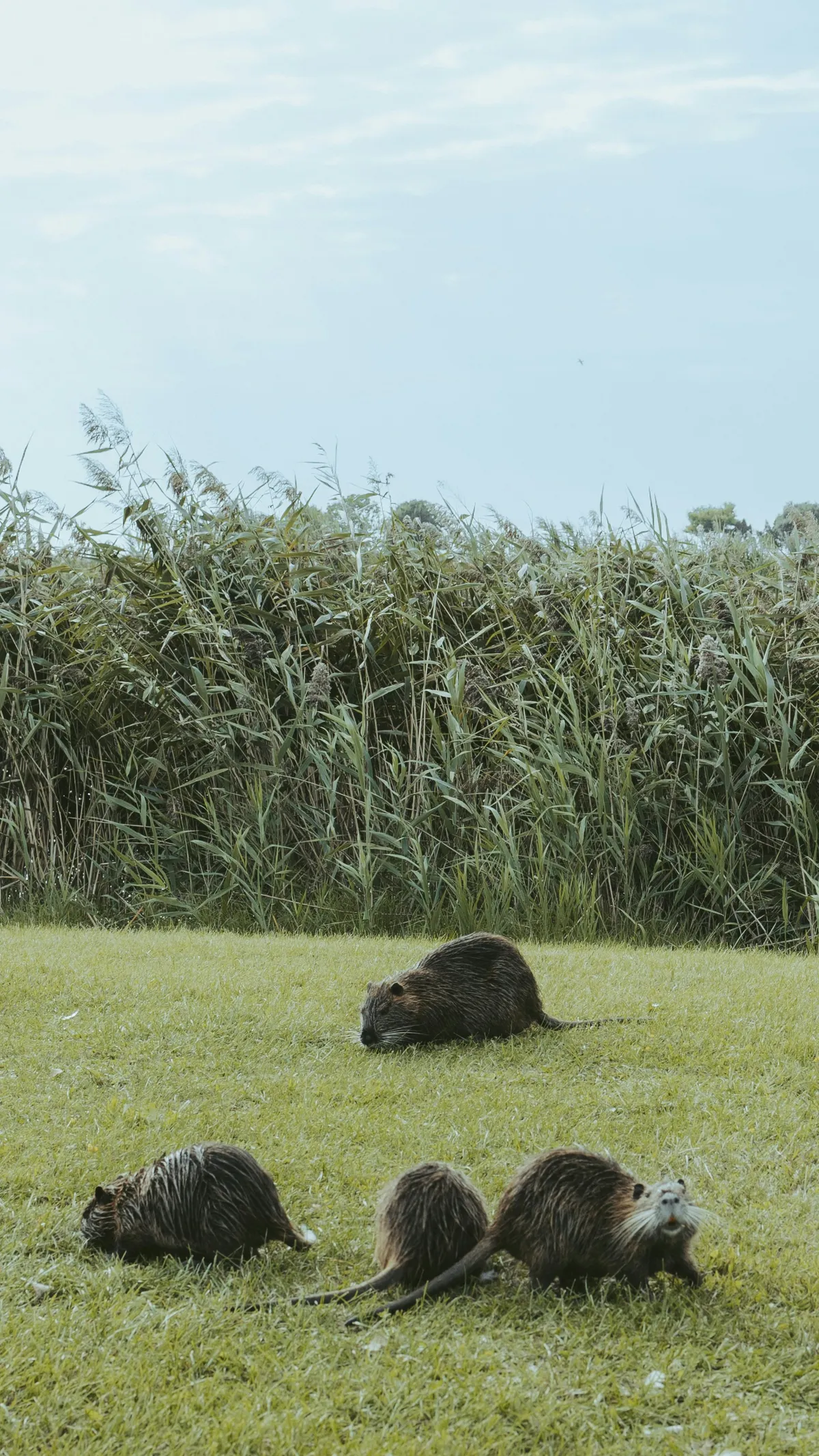
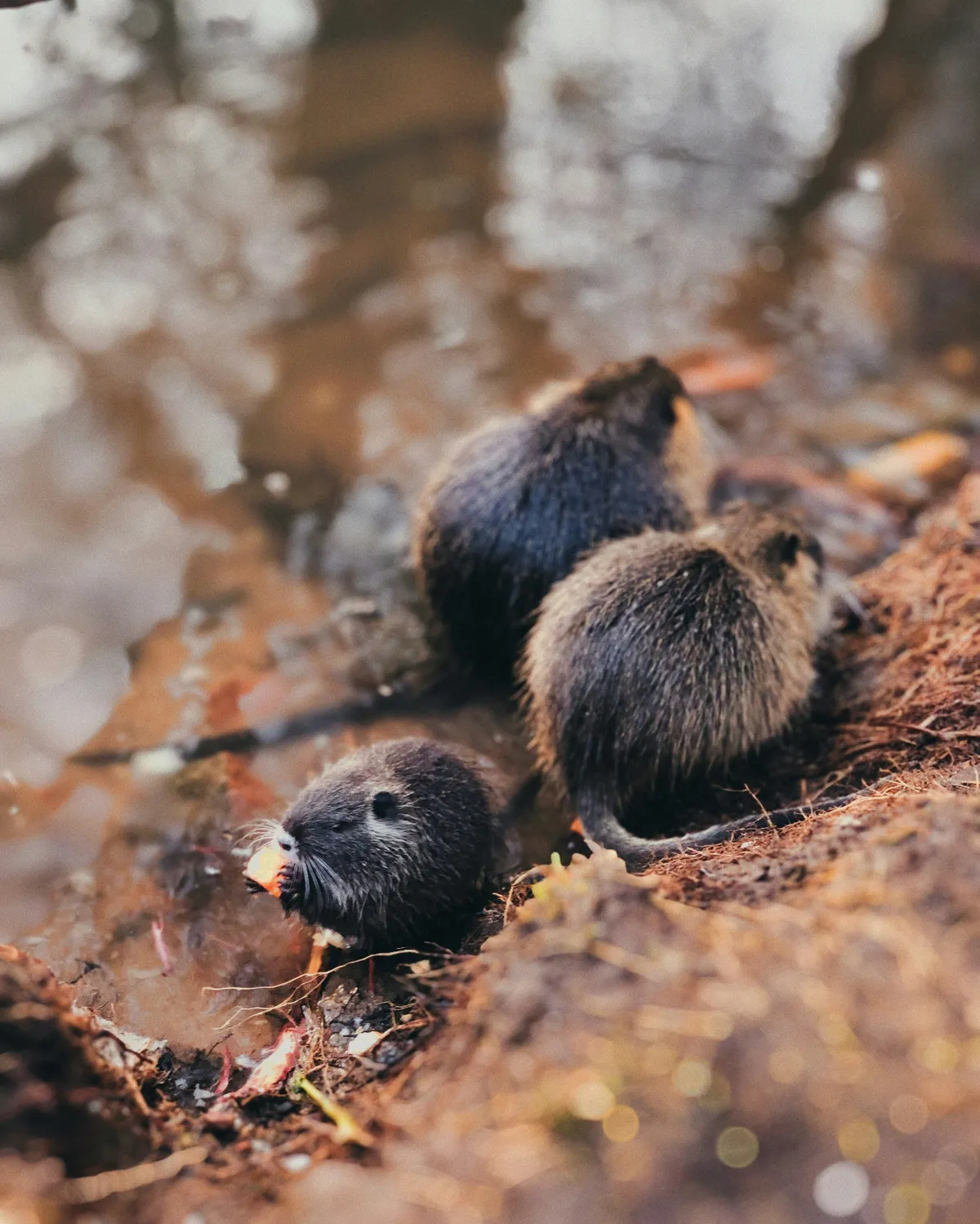
Nutria are large, invasive semi-aquatic rodents originally from South America. They burrow into pond banks and shorelines, eat through vegetation and landscaping, and breed fast, so a few animals can turn into a bigger problem in a hurry. Nutria removal is the trapping and removal of these animals from ponds, creeks, lake shorelines, and waterfront property before the damage spreads.
Is It a Nutria or a Beaver?
People mix them up all the time. Both are big, brown, and live near water, but there are a few easy ways to tell them apart:
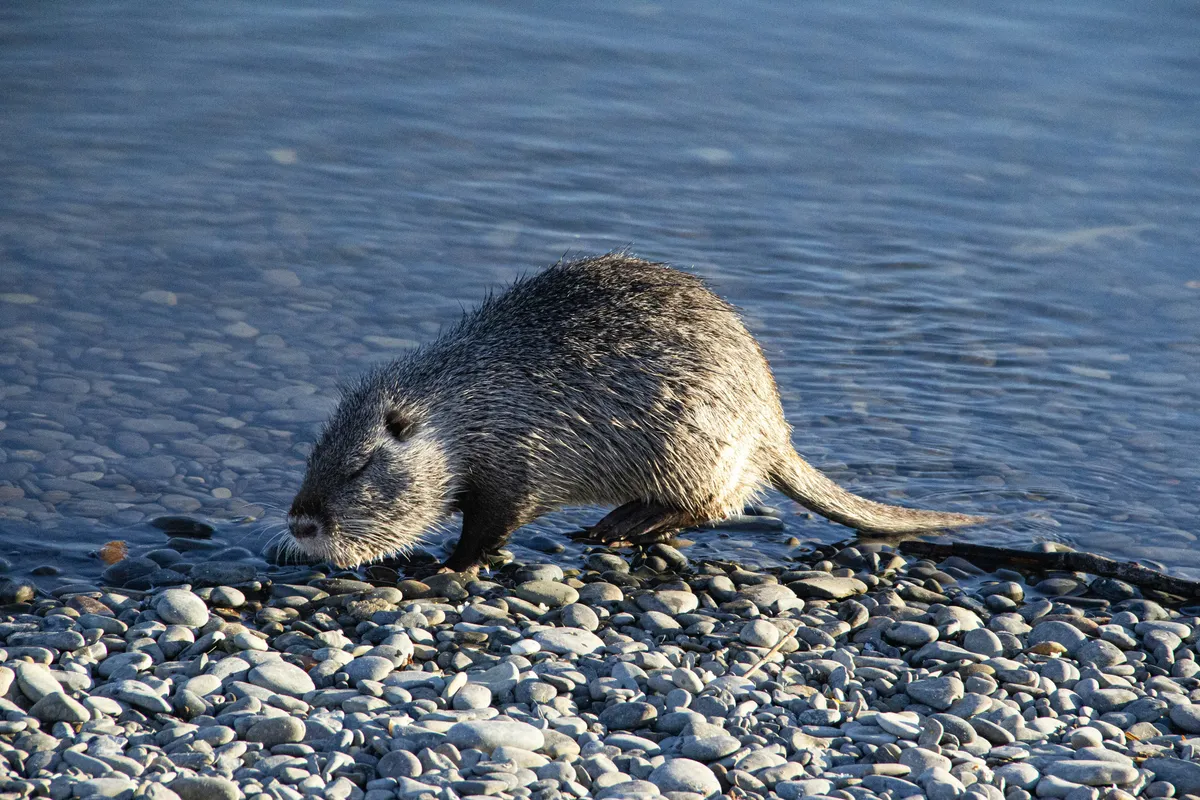
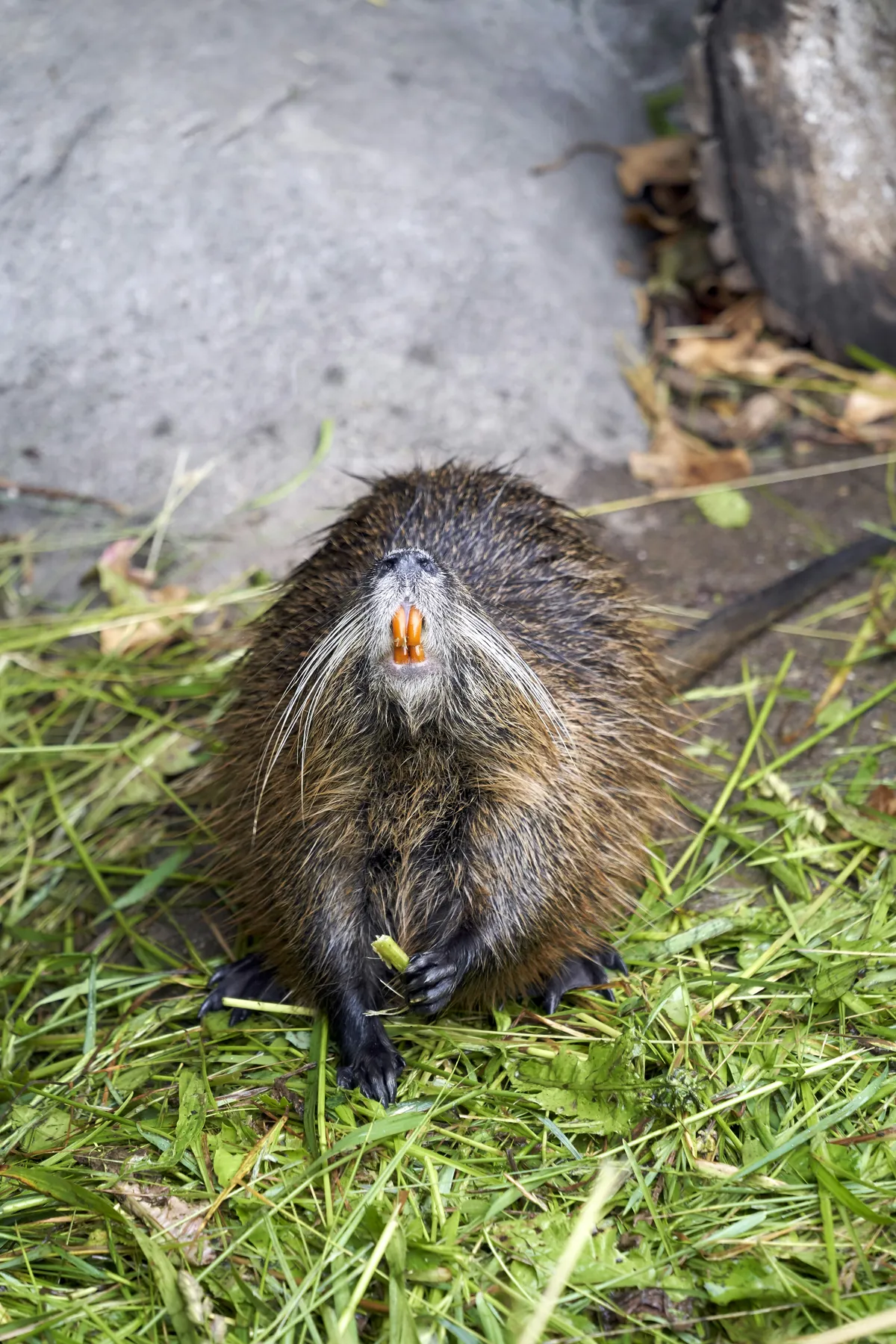
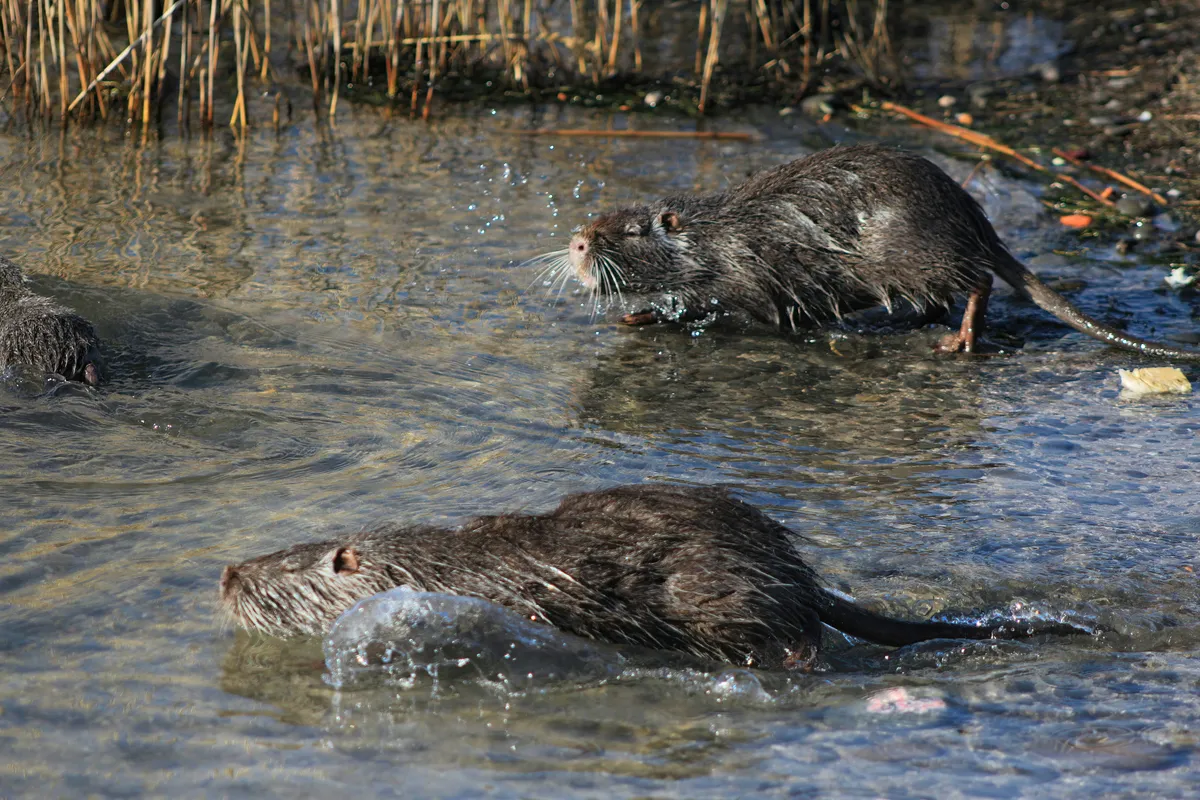
Tail: Beavers have a broad, flat, paddle-shaped tail. Nutria have a long, round, rat-like tail.
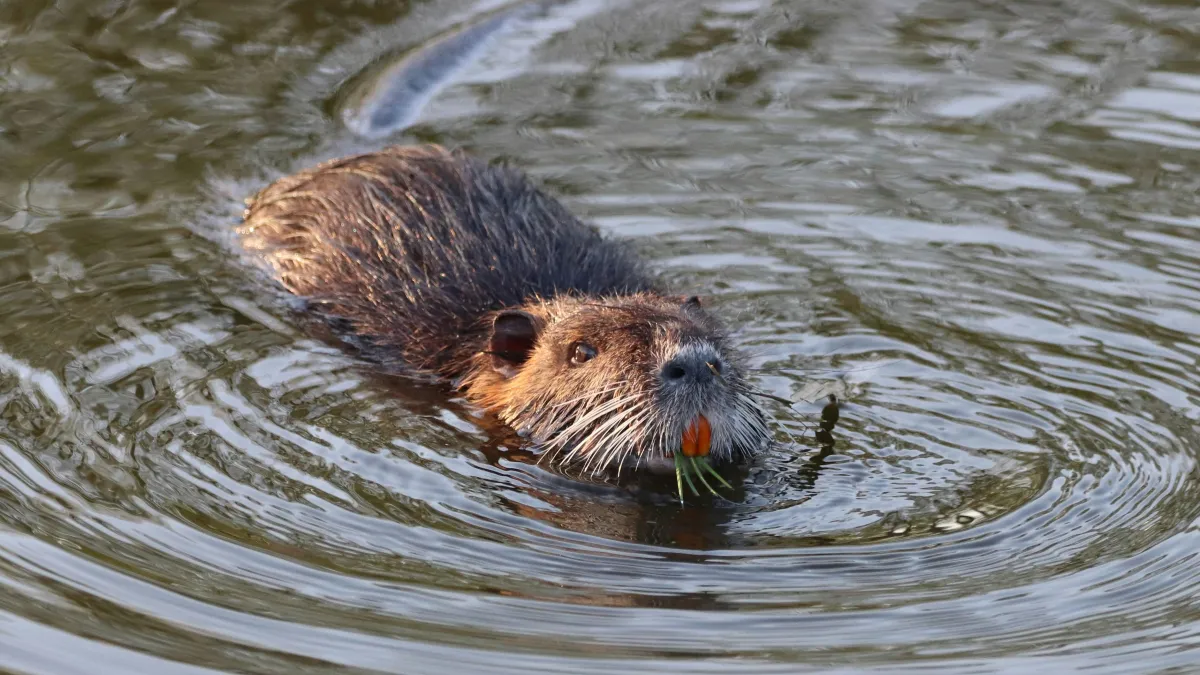
Face: Nutria have white whiskers and a whitish muzzle. Both have orange front teeth.
Behavior: Beavers build dams and lodges and fell trees. Nutria burrow into banks and feed on plants, roots, and crops.
Size: Nutria are smaller, typically topping out around 15 to 20 pounds.
Breeding: Beavers have one litter a year in the spring. Nutria can breed multiple times a year, which is why a small problem gets big fast.
Not sure what you're looking at? Send us a photo or book an inspection and we'll identify it.
Signs You Have a Nutria Problem
Burrow openings along pond banks, creek banks, or shorelines
Eroding or collapsing banks and slumping pond damsRising water levels or flooding near a pond or creek
Vegetation, garden plants, or landscaping eaten down to the base, often overnight
Chewed plants and stems left in tidy piles near the water's edge
Worn trails or slides running from the water up into the yard or field
Large, rat-like droppings near the water
A big rodent with a round tail and white whiskers seen at dusk or after dark
21+
Years in Pest Control
Licensed
TPCL #0995679
5.0
Google Rating
Local
Granbury, Texas
Why Choose Freedom for Nutria Removal & TRAPPING
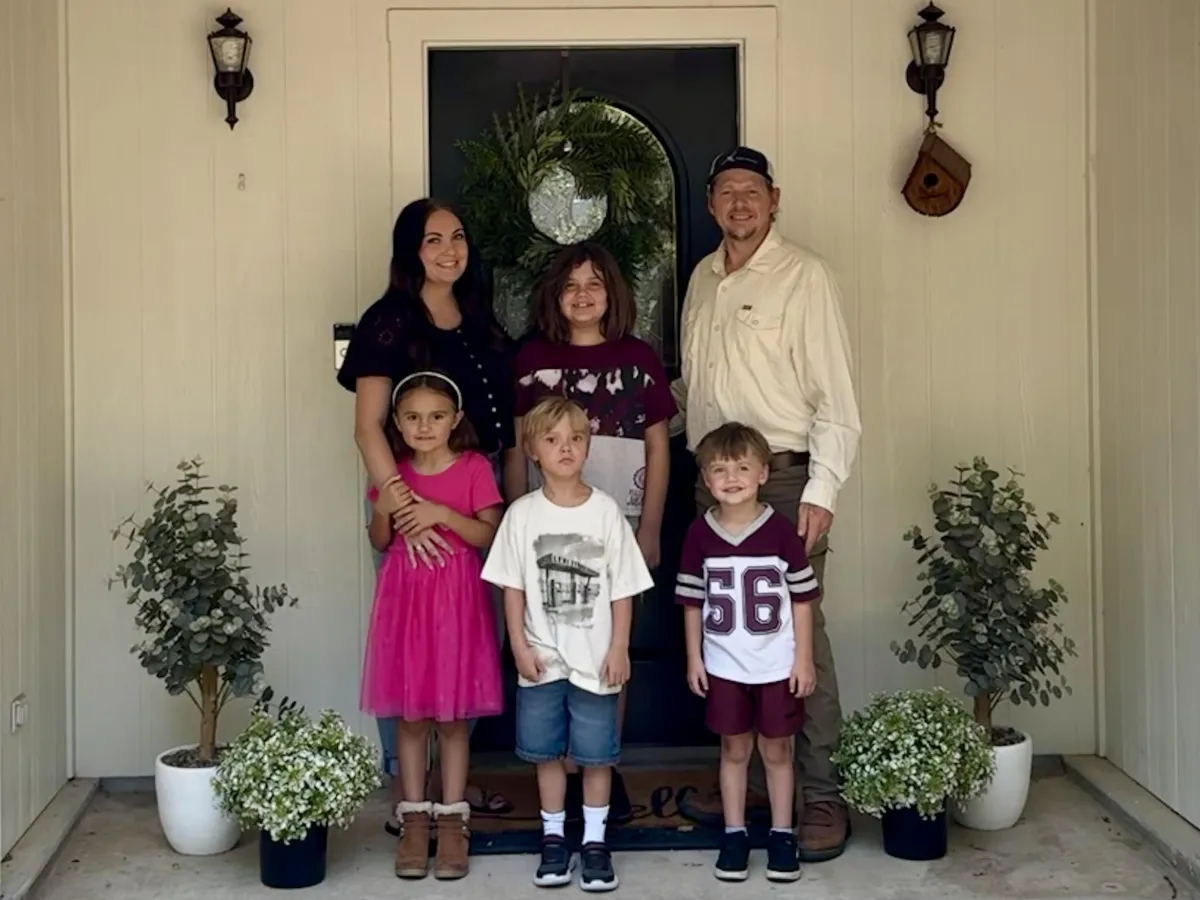
Your Neighbors, Your Protectors
Freedom Pest & Wildlife Control is owner-operated by Jaron Fenn, who brings 21 years of pest control experience plus hands-on construction knowledge.
That combination matters most with nutria jobs: trapping the animals is only part of it. Understanding how burrowing has affected your bank, dam, or shoreline is what helps protect your property going forward. Nutria don't belong here, so we don't just move them along. We remove them for good to protect your property and restore balance for native wildlife.
Licensed (TPCL #0995679) and insured.
OUR PROCESS
Simple 4-Step Process
From first call to pest-free living in four easy steps.
1
Request a Free Inspection
We look over your pond, creek, or waterfront area for burrows, feeding damage, and signs of nutria activity.
2
Confirm the Animal & Assess Damage
We confirm it's nutria (and not beaver or muskrat) and evaluate how burrowing and feeding are affecting your banks, dam, and landscaping.
3
Trap & Remove
We trap and remove the nutria from your property.
4
Follow-Up Recommendations
We advise on bank and burrow damage and how to discourage new activity, since nutria populations can rebuild quickly.
SPECIAL OFFER
This Month's Offer
$100 Off Nutria Removal & Trapping for New Customers.
NEW CUSTOMER OFFER
$100 Off
Your First Service
New customers get $100 off nutria removal & trapping.
Our Work
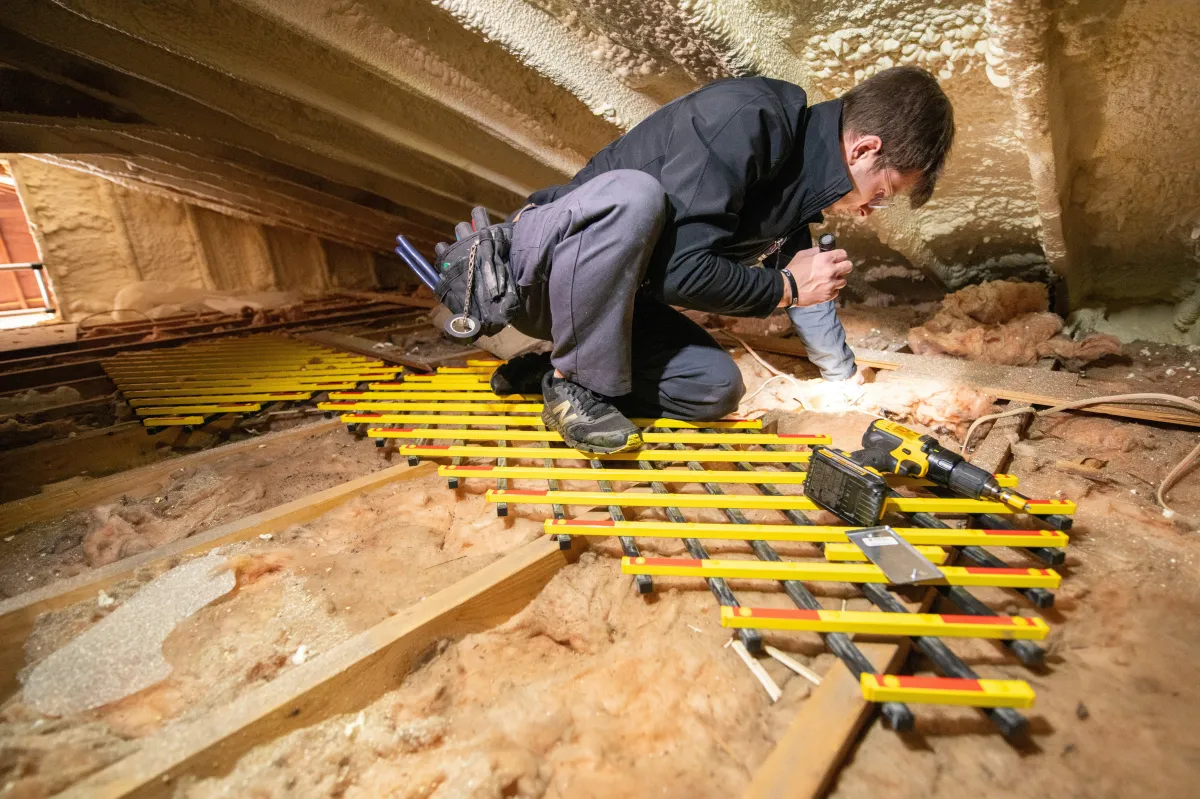
See Our Work in Action
Real results from real homes and businesses across Granbury, Fort Worth, Weatherford, and the surrounding counties.
SERVICE AREA
Nutria Removal & Trapping Across Hood, Parker, Tarrant & Johnson Counties
We provide fast, reliable pest and wildlife control throughout Granbury, Fort Worth, Weatherford, and the surrounding areas. If you're in our service area, we can be there fast.
Granbury
Pecan Plantation
Tolar
Acton
DeCordova
Weatherford
Aledo
Willow Park
Hudson Oaks
Fort Worth
Benbrook
White Settlement
Alvarado
Cleburne
Joshua
FAQ
Frequently Asked Questions
Got questions? We've got answers.
How much does nutria removal cost in Granbury or Fort Worth?
Cost depends on the size of the property, the amount of activity, and how much damage has been done. We offer free inspections so we can give you an accurate quote before any work begins.
How do I know if it's a nutria or a beaver?
Check the tail. Beavers have a broad, flat, paddle-shaped tail, while nutria have a long, round, rat-like tail. Nutria also have white whiskers and a whitish muzzle. Another clue is behavior: beavers build dams and fell trees, while nutria burrow into banks and eat vegetation. If you're not sure, we'll identify it during the inspection.
Do nutria build dams?
No. Nutria don't build dams or lodges the way beavers do. They dig burrows into pond banks, shorelines, and dams, which can cause erosion and collapse over time.
Why are nutria such a problem?
Nutria were brought here from South America for the fur trade, and over time they escaped or were released into Southern wetlands and waterways. With no natural predators to keep them in check, they've spread. A single nutria eats a huge amount of vegetation in one night, their burrows weaken pond banks and dams, and they crowd out native wildlife that depends on the same habitat. Because they can breed several times a year, early action matters.
Will nutria come back after they're removed?
It's possible, especially if the property still has ideal conditions like water, easy food, and bank cover, or if nutria are active on neighboring properties. We can advise on ongoing prevention if that's a concern.
Do you handle properties with multiple nutria?
Yes. We assess the full scope of activity during the inspection and handle the situation accordingly, whether that's a single animal or an established group.
Is nutria trapping humane?
Yes. We use humane trapping methods to safely remove nutria from your property.
Do you relocate nutria?
No. Nutria are an invasive species, so moving them just shifts the problem to someone else's property or waterway. We remove them permanently, which protects your property and helps keep native wildlife and habitat in balance.
We provide fast, reliable pest and wildlife control throughout Granbury, Fort Worth, Weatherford, and the surrounding counties.
Get in Touch
(817) 776-6494
6912 Stewarts Oaks Ct, Granbury, TX 76049
Copyright 2026. Freedom Pest & Wildlife Control. All Rights Reserved.